01 November 2026
Comparing Augusta Auto Shippers and Auto Transport Companies: How to Find the Best Solution for Local, Long-Distance, and Cross-Country Car Shipping
Presented by @mariodlaf689
Finding the right company to move a vehicle requires more than collecting a few quotes. Whether you are relocating within Georgia, sending a car to another state, or arranging transportation across the country, the provider you choose can influence your budget, schedule, and overall experience. Comparing Augusta auto shippers and auto transport companies helps you understand the available services and identify an option that fits your vehicle, destination, and expectations.
Car shipping arrangements can differ significantly depending on distance, vehicle size, transport equipment, pickup conditions, and delivery requirements. Some customers need a straightforward regional shipment, while others require careful coordination for a cross-country move. Understanding these differences makes it easier to evaluate providers without focusing on price alone.
Understanding the Difference Between Auto Shippers and Auto Transport Companies
The terms auto shipper and auto transport company are often used interchangeably, but the businesses involved in arranging vehicle transportation may perform different roles. Understanding how these providers operate can help you ask better questions before booking.
What Auto Shippers Do
Auto shippers generally help customers arrange the movement of vehicles from one location to another. Depending on the business model, a shipper may coordinate transportation through a network of professional carriers rather than operating every truck directly. This arrangement can provide access to different routes, equipment types, and scheduling options.
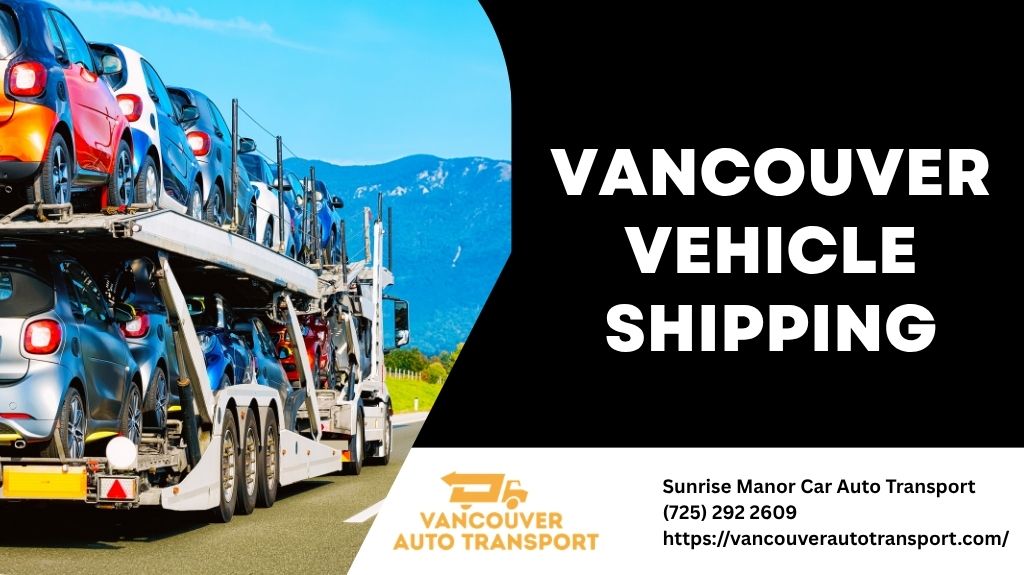
When comparing Augusta auto shippers, ask whether the company will transport your vehicle directly or arrange service through another carrier. You should also understand who will communicate with you, handle scheduling updates, and assist if a pickup or delivery issue occurs.
How Auto Transport Companies Operate
Auto transport companies may operate their own trucks, work with independent carriers, or combine both approaches. A carrier is the business responsible for physically transporting the vehicle. A broker or transportation coordinator typically arranges the shipment with an authorized carrier.
Neither business model automatically guarantees a better experience. What matters is transparency, appropriate licensing and insurance, dependable communication, and clear responsibility throughout the shipment.
Start by Identifying Your Vehicle Shipping Requirements
Before comparing providers, determine what your shipment actually requires. A suitable service for a short regional move may not be the best choice for a vehicle traveling several thousand miles. Defining your needs first will help you compare quotes more accurately.
Consider the Shipping Distance
Distance is one of the most important factors in choosing a transportation service. Local and regional shipments may involve shorter routes and simpler scheduling. Long-distance and cross-country transportation usually require more route planning, transit coordination, and flexibility.
Account for Your Vehicle's Specifications
Vehicle dimensions, weight, ground clearance, and operating condition can affect the type of equipment needed. A standard sedan may fit easily on a conventional carrier, while a large SUV, pickup truck, modified vehicle, or classic automobile may require additional space or specialized handling.
Share accurate vehicle information when requesting estimates. Mention any mechanical problems, modifications, oversized accessories, or non-running condition before accepting a quote.
Establish Your Preferred Schedule
Think about when the vehicle needs to be collected and when it should arrive. If your move is tied to a new job, home closing, college schedule, or dealership delivery, explain those requirements early. Flexible pickup and delivery windows may create more transportation options, while strict deadlines can limit availability or increase costs.
Comparing Local, Long-Distance, and Cross-Country Car Shipping
Not every vehicle shipment follows the same process. Comparing transportation options by distance helps you select a service that matches your route and practical requirements.
Local and Regional Vehicle Transportation
Local car shipping generally covers shorter distances within Augusta, nearby communities, or other parts of Georgia. Customers may need this service when purchasing a vehicle from a nearby seller, moving between residences, transferring a car to another location, or arranging transportation for a vehicle that cannot be driven.
For shorter routes, pickup access and scheduling can be particularly important. Residential streets, apartment complexes, gated communities, and restricted loading areas may not accommodate large transport trucks. Ask whether the carrier can reach your preferred address or whether a nearby meeting location would be more practical.
Long-Distance Car Shipping
Long-distance transportation is useful when a vehicle must travel between Georgia and another state. Common situations include employment relocation, military moves, college transitions, seasonal travel, and online vehicle purchases.
For these shipments, compare the company's route coverage, estimated transit window, carrier arrangements, and communication process. Ask how pickup dates are confirmed and how delivery updates are provided during transportation.
Cross-Country Vehicle Shipping
Cross-country car shipping involves moving a vehicle across a substantial portion of the United States. Longer routes require coordination across multiple regions, traffic conditions, weather patterns, and carrier schedules.
When evaluating providers for a coast-to-coast shipment, look beyond the initial estimate. Consider the company's experience coordinating extended routes, its process for handling delays, the protection available for your vehicle, and the clarity of its transportation agreement.
Compare the Main Vehicle Shipping Methods
Transport equipment affects vehicle protection, pricing, and scheduling. The most appropriate method depends on your car's value, condition, dimensions, and the level of protection you prefer.
Open Auto Transport
Open transport is one of the most common methods of vehicle shipping. Cars are secured on an open carrier, similar to the trucks frequently seen delivering vehicles to dealerships. This option is often selected for standard cars, SUVs, and pickup trucks.
- Often offers a more economical option than enclosed transportation.
- Commonly available for popular regional and interstate routes.
- Can accommodate many everyday passenger vehicles.
- Vehicles remain exposed to normal outdoor conditions during transit.
For many routine shipments from Augusta, open transport can provide a practical balance between cost and convenience.
Enclosed Auto Transport
Enclosed transport carries vehicles inside a covered trailer. It is frequently considered for classic cars, luxury models, exotic vehicles, collectibles, and automobiles with special preservation requirements.
- Provides greater protection from weather and road debris.
- May be suitable for high-value or specialty vehicles.
- Can involve higher transportation costs.
- May have different scheduling and equipment availability.
Customers considering enclosed shipping should ask about trailer capacity, loading procedures, insurance coverage, and any special handling arrangements.
Door-to-Door Transportation
Door-to-door service is designed to collect and deliver a vehicle as close as safely and legally possible to the requested addresses. It can reduce the need for customers to travel to distant terminals or arrange additional transportation.
However, the service does not always mean a truck can stop directly outside a particular home. Narrow roads, low branches, parking restrictions, and neighborhood access rules may require a nearby meeting point. Confirm these details before scheduling.
Terminal-to-Terminal Shipping
Terminal-to-terminal transportation involves dropping off and collecting a vehicle at designated facilities. Depending on the route and provider, this arrangement may offer another way to coordinate a shipment. Before choosing it, review terminal locations, operating hours, storage policies, and any additional handling charges.
How to Compare Quotes from Augusta Auto Transport Companies
Requesting multiple estimates is a useful way to understand the market, but the lowest advertised amount should not automatically determine your decision. Quotes may differ because of equipment, carrier availability, route demand, vehicle specifications, and service conditions.
Provide Consistent Shipment Details
For an accurate comparison, give each company the same basic information:
- Pickup city and ZIP code.
- Delivery city and ZIP code.
- Vehicle year, make, and model.
- Vehicle condition, including whether it runs and drives.
- Preferred transport method.
- Requested pickup timeframe.
- Any special handling or access requirements.
When every provider receives consistent details, differences between estimates become easier to evaluate.
Check What the Quoted Price Includes
Ask whether the estimate covers transportation charges, carrier payment, Augusta vehicle shipping fuel-related costs, insurance arrangements, and any applicable service fees. Find out whether the quoted amount is binding or may change when a carrier is assigned.
Some estimates are preliminary rather than final offers. A company should explain the conditions that could affect the amount you ultimately pay. Request written confirmation of the agreed charges before proceeding.
Be Careful with Unusually Low Estimates
A price that appears significantly lower than other offers may be attractive, but it deserves closer examination. The estimate might depend on flexible dates, a different service level, or a carrier becoming available at a later time. In some cases, an initial quote may not reflect the final transportation cost.
Ask how the price was calculated, when it becomes confirmed, and what happens if the original carrier arrangement changes. Transparent explanations are more useful than vague assurances.
Evaluate Carrier Credentials, Insurance, and Safety Practices
Vehicle transportation involves handing over a valuable possession to another business. Before booking, verify the provider's role and review the credentials of the carrier responsible for moving your vehicle.
Verify Registration and Operating Authority
For interstate transportation in the United States, customers can use the Federal Motor Carrier Safety Administration's resources to review applicable carrier and broker registration information. Ask the company for its legal business name and USDOT or MC number, where applicable, so you can check the relevant records.
Do not rely solely on a logo, website statement, or verbal claim. Confirm that the company and assigned carrier have the appropriate authority for the services they perform.
Understand Insurance Coverage
Ask what cargo insurance applies while your vehicle is being transported. Coverage terms can vary by carrier and policy, so request details rather than assuming every type of damage is covered.
Useful questions include:
- What cargo insurance does the carrier maintain?
- What coverage limits apply to my vehicle?
- Are there exclusions or deductibles?
- How are damage claims reported and reviewed?
- Does the policy address pre-existing damage or personal belongings?
Review the written documentation and consider contacting your personal auto insurer if you need clarification about coverage during transportation.
Review the Carrier's Safety and Service History
Public registration and safety information can provide useful context when comparing carriers. Look for consistent business details and investigate any concerns that appear in available records. Customer reviews can also reveal patterns involving communication, scheduling, vehicle handling, and issue resolution.
Research Customer Reviews and Communication Standards
Online reviews can help you understand how an auto transport provider works with customers. However, a single positive or negative comment rarely tells the complete story. Read several reviews and look for repeated experiences that relate to the service you need.
Look for Relevant Customer Experiences
Reviews are especially useful when they describe shipments similar to yours. A customer transporting a standard sedan within Georgia may have different requirements from someone shipping a classic vehicle across the country.
Pay attention to feedback about:
- Accuracy of initial estimates.
- Pickup and delivery coordination.
- Communication when schedules change.
- Professionalism of drivers and support staff.
- Vehicle condition at delivery.
- How the company handles complaints or claims.
Test the Company's Responsiveness Before Booking
The way a provider answers questions before payment can offer insight into its communication standards. A professional representative should explain the shipping process, identify the company's role, clarify costs, and respond directly to reasonable concerns.
If important questions receive unclear answers during the booking stage, consider comparing other Augusta auto transport companies before making a commitment.
Questions to Ask Before Choosing an Auto Shipper
A short conversation can reveal important differences between providers. Use these questions to evaluate whether a company is prepared to handle your shipment:
- Will you transport my vehicle directly or arrange service with another carrier?
- Can you provide the assigned carrier's legal name and registration details?
- Is the quoted price confirmed, or can it change after booking?
- Which transport method will be used?
- What is the estimated pickup window and delivery timeframe?
- How will I receive updates during transit?
- What cargo insurance applies to my vehicle?
- What should I do if the vehicle is delayed?
- Are there additional charges for oversized or inoperable vehicles?
- What documents will I receive before and after transportation?
Reliable providers should be able to explain their procedures without pressuring you to make an immediate decision.
Preparing Your Vehicle for Pickup in Augusta
Good preparation can help reduce misunderstandings and make the pickup process more efficient. Once your transportation arrangement is confirmed, follow the carrier's instructions and prepare the vehicle before the scheduled collection.
Clean the Vehicle and Record Its Condition
Wash the exterior so existing scratches, dents, and other marks are easier to identify. Take clear photographs from multiple angles, including close-ups of visible damage. Keep these images with your shipping paperwork until the vehicle has been delivered and inspected.
Remove Personal Belongings
Most auto transport arrangements require customers to remove personal belongings from the vehicle. Personal items may not be covered by the carrier's cargo insurance and can create additional weight or safety concerns. Follow the carrier's specific instructions about permitted items, if any.
Check the Vehicle's Mechanical Condition
Make sure the vehicle can be started, steered, and moved as expected if it is being shipped as an operable vehicle. Report mechanical problems, fluid leaks, or other known issues before pickup. If the car does not run, confirm that the carrier has suitable loading equipment.
Prepare Keys and Essential Documents
Provide the keys required for loading and unloading. Keep personal documents and valuables with you rather than leaving them inside the vehicle. Confirm whether the carrier needs any additional paperwork for the shipment.
What Happens During Pickup and Delivery?
Knowing what to expect at each stage can make the transportation process easier to manage. Although procedures vary between carriers, most shipments include an inspection at pickup and another at delivery.
Pickup Inspection
Before the vehicle is loaded, the driver should inspect its visible condition and document existing damage on the applicable condition report or bill of lading. Review the information carefully and make sure any noticeable marks are recorded accurately.
Take your own photographs and retain a copy of the completed paperwork. Do not sign a document that incorrectly describes the vehicle's condition without requesting that the information be corrected.
Transportation Updates
Transit updates may come from the carrier, broker, or assigned customer service representative. Ask who your primary contact will be and how you should reach them if the estimated schedule changes.
Traffic, weather, road restrictions, and other operational factors can affect delivery timing. A responsible provider should communicate meaningful changes rather than leave customers uncertain about the shipment.
Delivery Inspection
When the vehicle arrives, inspect it before completing the delivery paperwork. Compare its condition with the pickup report and photographs. Check the exterior, windows, wheels, and other accessible areas for any new damage.
If you notice a problem, document it clearly on the delivery paperwork and take photographs. Notify the carrier and the appropriate company representative promptly, then follow the written claims procedure. Keep copies of all relevant records.
Common Mistakes to Avoid When Comparing Auto Shippers
Even customers who research several companies can overlook important details. Avoiding these common mistakes can make it easier to choose a suitable provider.
Choosing Only by Price
The lowest estimate may not include the same equipment, scheduling flexibility, or service arrangements as another quote. Compare the complete terms instead of treating the initial price as the only deciding factor.
Ignoring the Broker and Carrier Relationship
Customers should know which business is arranging the shipment and which carrier will physically move the vehicle. Understanding these responsibilities helps prevent confusion about communication, insurance, and claims.
Accepting Unclear Pickup or Delivery Promises
Transportation schedules can change for reasons outside a company's control. Be cautious of guarantees that are not supported by clear written terms. Ask for realistic timeframes and an explanation of how delays are handled.
Overlooking the Shipping Agreement
Review the contract before paying a deposit or confirming service. Check cancellation rules, payment arrangements, pricing conditions, pickup expectations, and insurance information. Keep a copy of the agreement and all related communications.
Failing to Document Vehicle Condition
Photographs and accurate inspection records can be important if a damage concern arises. Documenting the vehicle before pickup and after delivery gives you a clearer record of its condition throughout the shipment.
Which Type of Auto Transport Service Is Right for You?
The best transportation option depends on your priorities rather than a single universal recommendation. Consider the following situations when comparing providers:
For Everyday Vehicles and Budget-Conscious Customers
Open transport may be a practical choice for standard passenger cars and many SUVs. Customers who have flexible schedules may find it easier to compare available carriers and select an appropriate shipping arrangement.
For Luxury, Classic, and Specialty Vehicles
Enclosed transport may be worth considering when additional protection from outdoor conditions is important. Review the carrier's experience, equipment, insurance details, and loading procedures before booking.
For Customers Relocating to Another State
Long-distance door-to-door service may simplify a household relocation by reducing the need for a separate driving trip. Compare pickup windows, delivery estimates, route coverage, and communication arrangements.
For Dealerships and Business Fleets
Businesses that move multiple vehicles may need recurring transportation arrangements, coordinated pickup schedules, and consistent documentation. Ask providers whether they can support the volume, routes, and operational requirements involved.
How Augusta's Location Can Influence Vehicle Shipping Plans
Augusta is located in eastern Georgia near the South Carolina border, making it a useful starting point for shipments serving destinations across the Southeast and beyond. However, the convenience of a particular route depends on carrier availability, pickup access, delivery location, and the shipment date.
Customers arranging transportation from Augusta should provide accurate ZIP codes rather than relying only on city names. A pickup address outside a commonly traveled corridor may require different coordination from one located near a major route. Similarly, delivery access in a dense city or remote community can affect the final arrangements.
When requesting estimates, explain whether the vehicle is located at a residence, dealership, workplace, storage facility, or auction site. This information helps providers assess access requirements and identify a suitable pickup plan.
Creating a Simple Comparison Checklist
After gathering estimates and reviewing company information, organize your findings in one place. A comparison checklist can help you evaluate providers based on the factors that matter most to your shipment.
- Business role: Confirm whether the provider is a broker, carrier, or both.
- Credentials: Check applicable registration and operating authority.
- Transport method: Confirm open, enclosed, or another suitable option.
- Price: Review the complete written estimate and possible additional charges.
- Schedule: Compare pickup windows and estimated delivery timeframes.
- Insurance: Request applicable cargo coverage details and exclusions.
- Communication: Identify your contact during booking and transportation.
- Documentation: Review the agreement, bill of lading, and inspection process.
- Customer feedback: Look for relevant and consistent service experiences.
Using the same checklist for every provider makes it easier to compare the actual service rather than relying on advertising claims or promotional pricing.
Frequently Asked Questions About Augusta Auto Shipping
How do I choose between Augusta auto shippers?
Compare each provider's business role, carrier credentials, insurance arrangements, transportation methods, written pricing, customer feedback, and communication standards. Select a company that clearly explains its process and matches your shipment requirements.
Is open or enclosed transport better for my car?
Open transport is commonly used for everyday vehicles and may be more economical. Enclosed transport offers additional protection from outdoor conditions and may be appropriate for classic, luxury, or specialty vehicles. Your vehicle's value and protection requirements should guide the decision.
How much does it cost to ship a car from Augusta?
Pricing depends on distance, vehicle size, condition, transport method, route demand, season, and pickup or delivery requirements. Request current estimates using accurate shipment details rather than relying on a general price range.
How long does cross-country car shipping take?
Delivery time varies according to the route, distance, carrier schedule, weather, traffic, and pickup arrangements. Ask the provider for an estimated transit window and clarify whether it begins at pickup or another stage of the booking process.
Can I ship a vehicle that does not run?
Many transport providers can arrange shipping for inoperable vehicles, but the carrier must have suitable loading equipment. Disclose the vehicle's condition and any steering, braking, or rolling limitations before accepting an estimate.
Should I leave personal items inside my car?
Generally, personal belongings should be removed before transportation. They may not be covered by cargo insurance and can affect vehicle weight or create handling concerns. Follow the carrier's written policy regarding permitted contents.
What paperwork should I receive?
Depending on the arrangement, you may receive a transportation agreement, order confirmation, carrier details, and a bill of lading or vehicle condition report. Keep copies of these documents along with pickup and delivery photographs.
Can a transport truck pick up my vehicle directly from my home?
Door-to-door service may allow collection near your residence, but access depends on road width, parking rules, vehicle height restrictions, and safe truck maneuvering. If direct access is not possible, the carrier may suggest a nearby meeting location.
Final Thoughts: Finding the Right Auto Transport Partner
Choosing between Augusta auto shippers and auto transport companies becomes easier when you compare the details that influence the entire shipping experience. Local transportation, interstate delivery, and cross-country vehicle shipping each involve different scheduling and coordination needs. The right option should match your route, vehicle type, budget, and preferred level of protection.
Contact Us:
Augusta Car Auto Transport
(706) 252 9491